Musicians-Turned-AI Researchers at Mirelo Raise $41m to Unmute Videos, Games and Beyond


QUICK TAKE
- Mirelo, a foundation model company based in Germany focusing on sound for videos, has raised a $41m seed round led by Index Ventures and Andreessen Horowitz
- The state-of-the-art AI audio models break new frontiers in AI, bringing emotion and impact to visual media
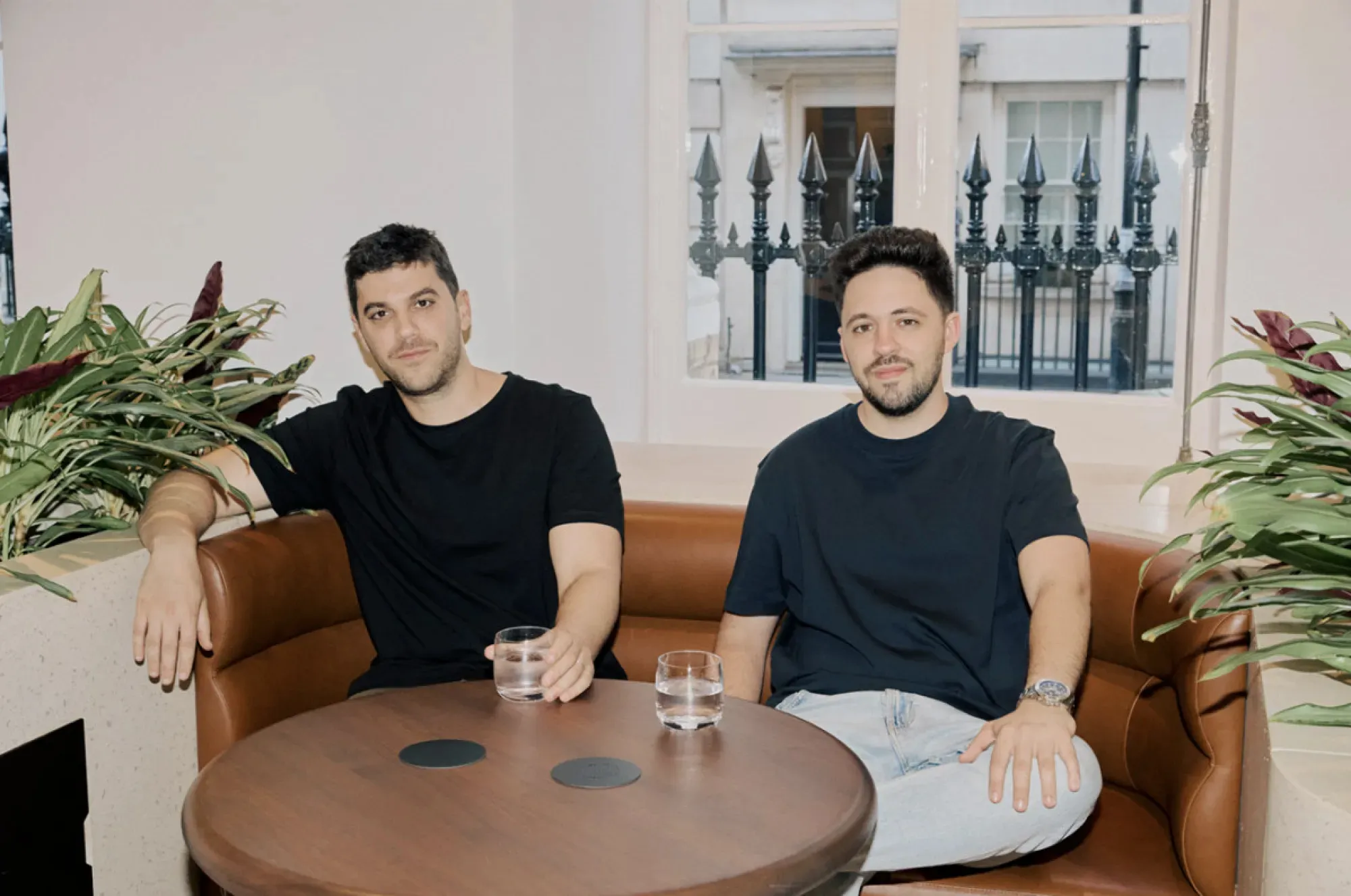
- Founded by former musicians, who are also AI researchers from big tech’s AI labs and Europe’s leading research institutions, Mirelo empowers artists and creators to transform their video storytelling
INDEX PERSPECTIVE
Making Sound Resonate in The Age of AI
By Georgia Stevenson, Partner at Index Ventures
Think back to a scene in the scariest film you’ve ever seen. As the camera edged along a darkened hallway, or lingered on a character’s face as they sensed someone behind them – what was it that made your pulse quicken? Before anything jumped out on screen, maybe there was a low drone, some eerie strings, or the creak of a floorboard. In all likelihood, the visceral dread that gripped your chest was the byproduct of sound.
Sound has a unique power to influence our feelings and perceptions. It affects us before we’re even aware of it, reaching the brain in 8-10ms, compared with a lagging 20-40ms for visual information. Yet for all the buzz about generative AI for text, image and video, sound is the modality we talk about the least, despite the difference it makes to content.
Mirelo is poised to change that. Right now, the focus is on making cinematic, perfectly synchronised sound effects to video. But like Figma, Mirelo is expanding from individual creators towards professionals who want more creative control (“use this dog bark, but make it lower”) – with the goal of becoming the default choice for audio and music in visual media.
CJ and Florian stood out to us for their rare combination of musical talent and technical prowess. CJ is a classically trained pianist and composer, while Florian plays guitar in an electro band in Berlin. They can build cutting-edge AI, and they can do it in a way that serves creatives and designers – because they understand that world and share that sensibility. It’s why Mirelo is committed to an ethical approach to training data: the company’s models are based on public and purchased sound libraries, with Mirelo signing revenue-sharing partnerships that respect artists' rights.
Strip the sound from cinema, and you’re left with images moving on a screen. Add it back in, and you have worlds that grip you with their atmosphere and emotion. We’re thrilled to be supporting Mirelo as they transform the creative possibilities of sound design and put the power of audio into more people’s hands.
THE DETAILS
Mirelo was founded in 2023 by CEO CJ Simon-Gabriel and CTO Florian Wenzel, two senior AI researchers who met at AWS Labs. They realised they shared a frustration: while AI was transforming text, images and video, sound was being left behind.
The problem they set out to solve is one that anyone who’s edited video knows: adding sound to visual media is tedious. Creators spend hours trawling stock libraries and manually syncing effects, frame by frame. Mirelo’s approach is to let users upload any video and, within seconds, generate perfectly synchronized sound effects for everything happening on screen. That ability to produce high-quality sound faster than real time becomes particularly important in a world of dynamic content, whether that’s AI-generated videos or adaptive gaming worlds that shift for each player.
“Think of the difference between talkies and silent films – video without sound has so much less feeling and atmosphere,” says CJ. “Mirelo’s first step is about democratising access, empowering everyone to create the sound that their (AI) video deserves. But we’ll also empower professionals to rework audio, to do more of what they love, to be more expressive and imaginative in what they can achieve, while handling the boring stuff such as synchronization. Our bigger mission is to become the audio layer for all visual content across videos, gaming, social media, films and beyond.”
Florian notes that there’s a “deep affinity” between music and engineering; it’s perhaps “something about the intersection of mathematical precision and expressiveness.” Maybe that explains why both founders and most of Mirelo’s wider team are also passionate about music. CJ has a degree in piano, organ and composition from the Conservatoire in Strasbourg, and was very close to pursuing music professionally; he dreams one day of recreating the unwritten music of Mozart and Schubert. Meanwhile, Florian mixes music and plays electric guitar as a member of an electro band in Berlin.
A couple of weeks ago, the company released a new, top-notch video-to-sound-effect model, Mirelo SFX v1.5, which can generate various soundtrack versions faster than real-time. It is available via their self-serve API and web-app, Mirelo Studio. Mirelo’s models are very lightweight, requiring 50 times less compute than typical LLMs, while also delivering superior quality to any competitor so far according to external evaluations.
The funding is a sign of a broader shift in creative expression, as AI tools empower more and more artists and designers to bring their ideas to life. “Sound is too often an afterthought in video production, yet it’s what determines whether a video or game truly resonates with its audience. Mirelo gives creators a new form of expression, letting them move faster and sound better,” says Georgia Stevenson, the partner at Index Ventures who led the investment. “The team led by CJ and Florian combines cutting-edge AI expertise with an unparalleled focus on audio’s emotional power. It is a combination that positions them to reshape how the world experiences sound.”
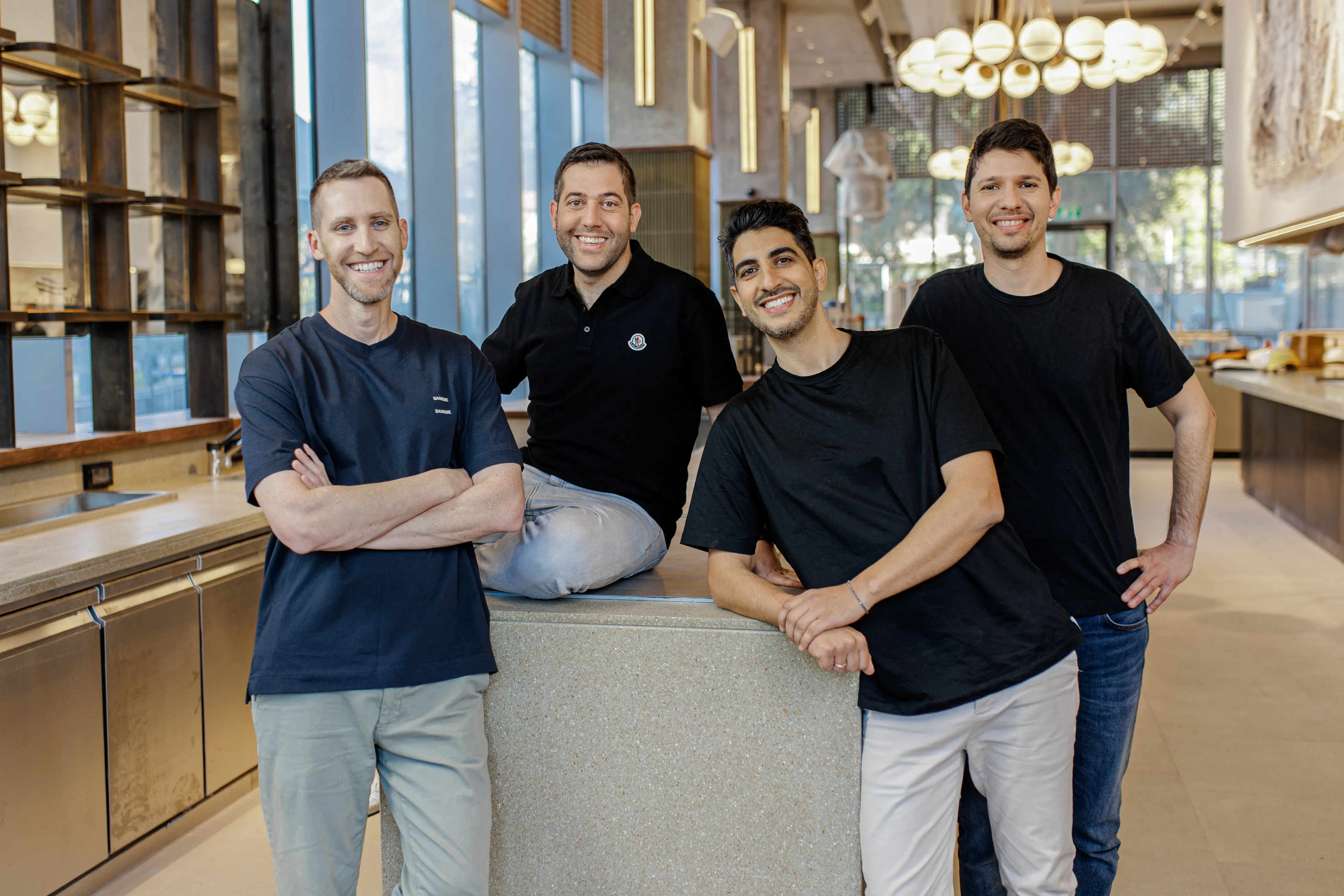
The company’s notable angel investors from across the AI ecosystem: Yariv Adan (former Google Zürich Site Lead), Alex Berriche (Fleet.co), Léon Bottou (AI scientist, Meta), Burkay Gur (Fal.ai), Thomas Hofmann (AI Professor, ETH Zürich), Antoine Le Nel (Revolut), Coco Mao (OpenArt), Arthur Mensch (Mistral AI), Laura Modiano (OpenAI), Jakob Uszkoreit (Inceptive, co-inventor of the Transformer architecture), and Thomas Wolf (Hugging Face).
Published — Dec. 15, 2025