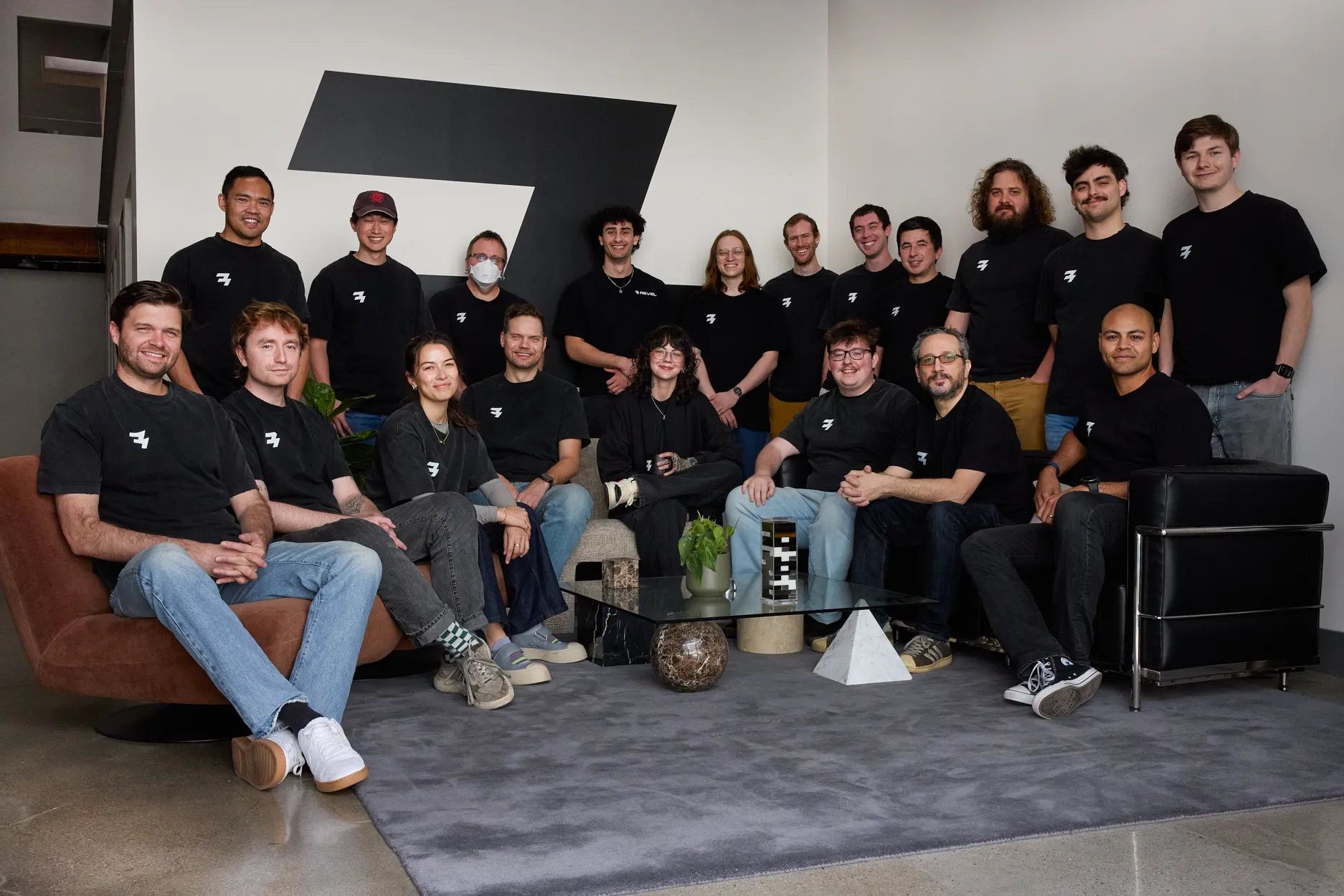
Wiz’s rise over the past five years has felt a lot like magic. From the playful branding to the record execution to the way they captured the industry’s imagination seemingly overnight, I know many people have looked at Wiz’s success and wondered, “How did they do that?”
Well, let me assure you: there are no illusions here. As great magicians know, behind every magic moment are years of preparation, dedication, discipline, hard work, a set of deliberate choices, and an intimate relationship between audience and participants.
Today, as both the Google & Wiz teams celebrate the $32 billion combination, it feels appropriate to pull back the curtain on a few of the defining moves that took them from a stealth startup to a global security leader and one of the truly iconic companies of their generation.
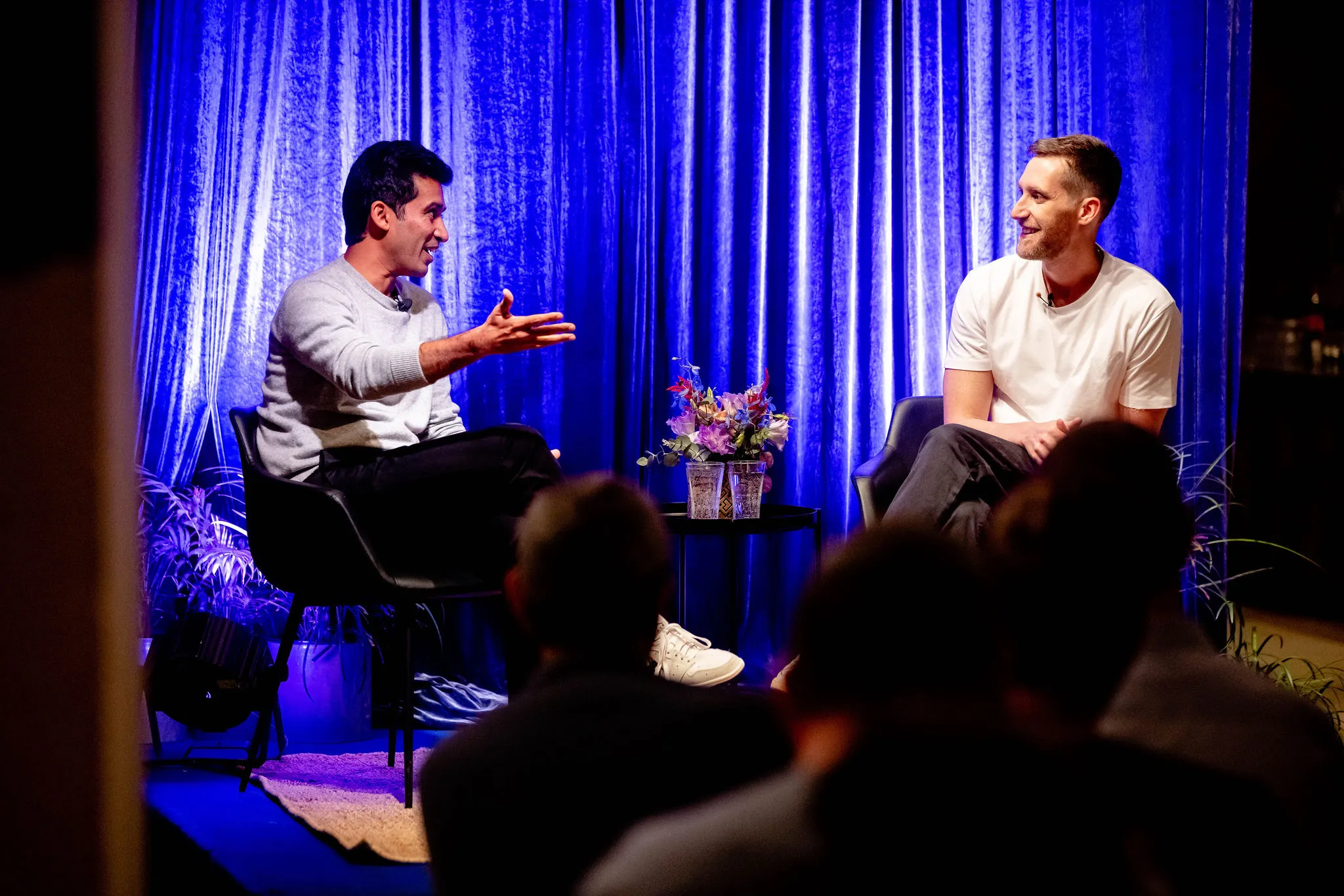
Shardul sits down with Assaf during a 2023 visit to Tel Aviv.
The Pledge 🎩
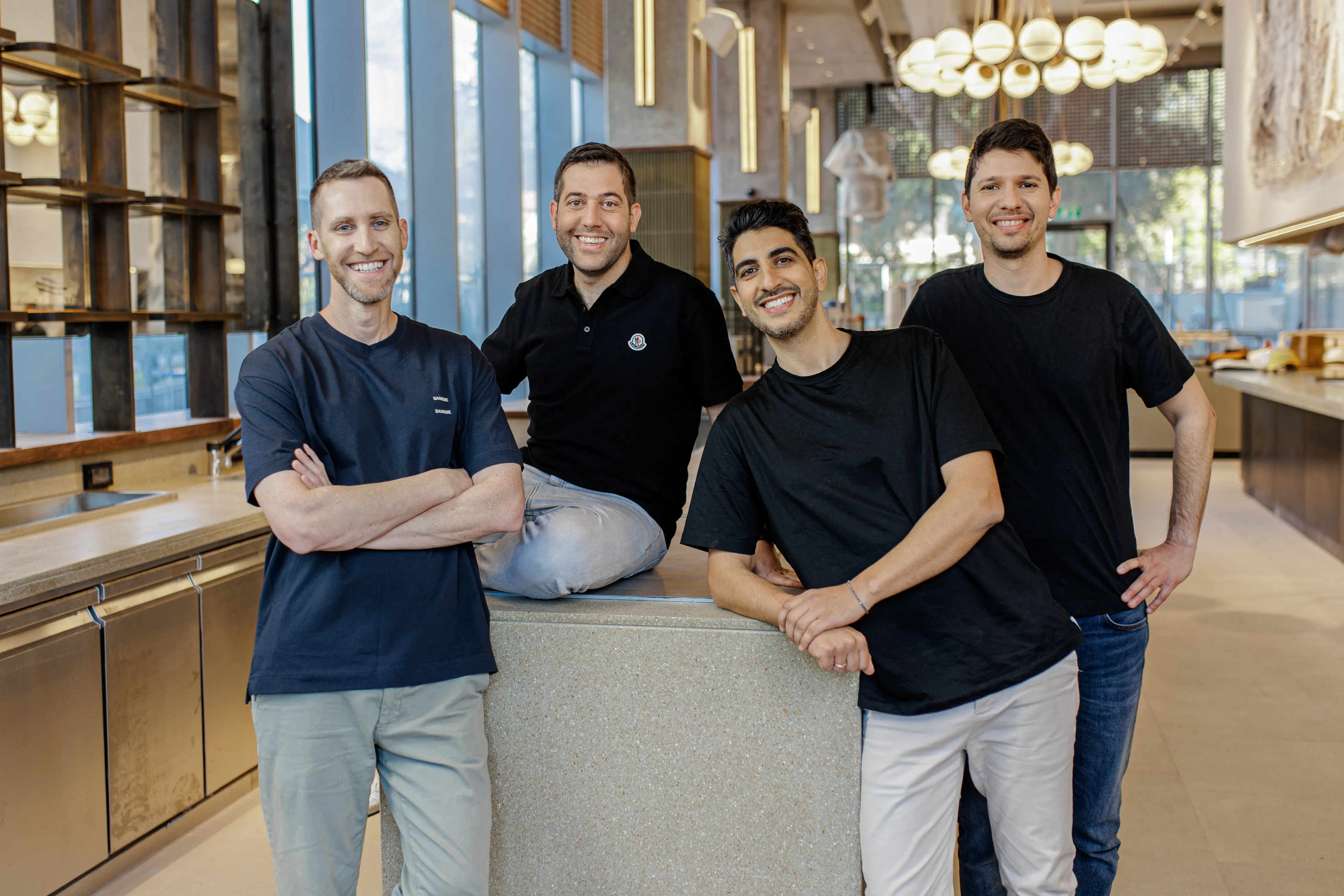
Every great magic trick starts with something that looks ordinary but holds the potential to blow people’s minds. In Wiz’s case, that was four quietly brilliant founders who had spent years working together inside the hardest corners of cloud security.
“What made Wiz different from day one was the level of trust between the founders and the early team. There was no second-guessing or politics, and we all knew how to work together and how fast to move. The culture is one where you cut the noise and just do. That trust removed friction everywhere — decisions happened in minutes, and it gave all of us permission to operate at the same speed and with the same sense of ownership.”
—Osher Hazan, VP R&D Israel (Wizard since 2020)
After meeting in the IDF as teenagers, Assaf Rappaport, Roy Reznik, Ami Luttwak, and Yinon Costica built and sold their first company, Adallom, then went on to lead Microsoft’s global cloud security efforts. By the time they founded Wiz, they had a clear perspective on the market and the issues holding cloud security back—not a lack of tools or data, but a lack of coherence and the ability to act on that data.
Unlike most founding teams, they didn’t need to learn how to work together. Decisions that take other companies weeks took Wiz hours, if they were even decisions at all. This tight-knit group shared the same instincts about when to move fast, when to pause, and which risks were worth taking. And as the company grew, that instinct extended to the people they hired—the early Wizards who brought their own talent, ambition, empathy, and conviction. That takes character and a special level of trust you don’t often see in business, full stop. This trust extended to the first investors they brought on: Gilli Ranaan, Doug Leone, and I all joined the board on day 0, on the back of Sequoia’s and Index's support for Adallom a decade earlier.
The Turn 🪄
While the rest of the industry was focused on building point solutions for narrow slices of the cloud, Wiz made a different bet. From day zero, they set out to build a platform that could serve large-scale, enterprise environments with the simplicity that developers expect. It was an unconventional choice at a moment when “start small” was basically the startup doctrine.
"We started Wiz because we believed security shouldn’t slow innovation down — it should enable it. Cloud fundamentally changed how the world builds software, but security was still fragmented, reactive, and built for a different era. The opportunity we saw early on was to reset that model entirely: give organizations clarity and confidence by default, so they could move fast in the cloud without fear, complexity, or trade-offs."
–Assaf Rappaport, CEO & Founder, Wiz
Instead of adding to the pile of fragmented tools, the team asked a different question: What if customers don’t need more data, but a way to make sense of the data they already have? The answer became a graph-based, opinionated product designed to protect multiple clouds across multiple geographies, deliver enterprise-grade capabilities, and still feel intuitive to the developers, security leaders, and operations teams who rely on it daily.
To make that vision work, Yinon, Raaz, and the product team spent countless hours listening to CISOs, platform teams, and developers, not just to diagnose what was broken in cloud security, but to really understand the people responsible for securing it. They used those conversations to shape a promise the product could deliver on. Today, at many companies, far more people use Wiz than sit on the security team. That would have been unthinkable just a few years ago, and it’s a testament to the team’s empathy and integrity.
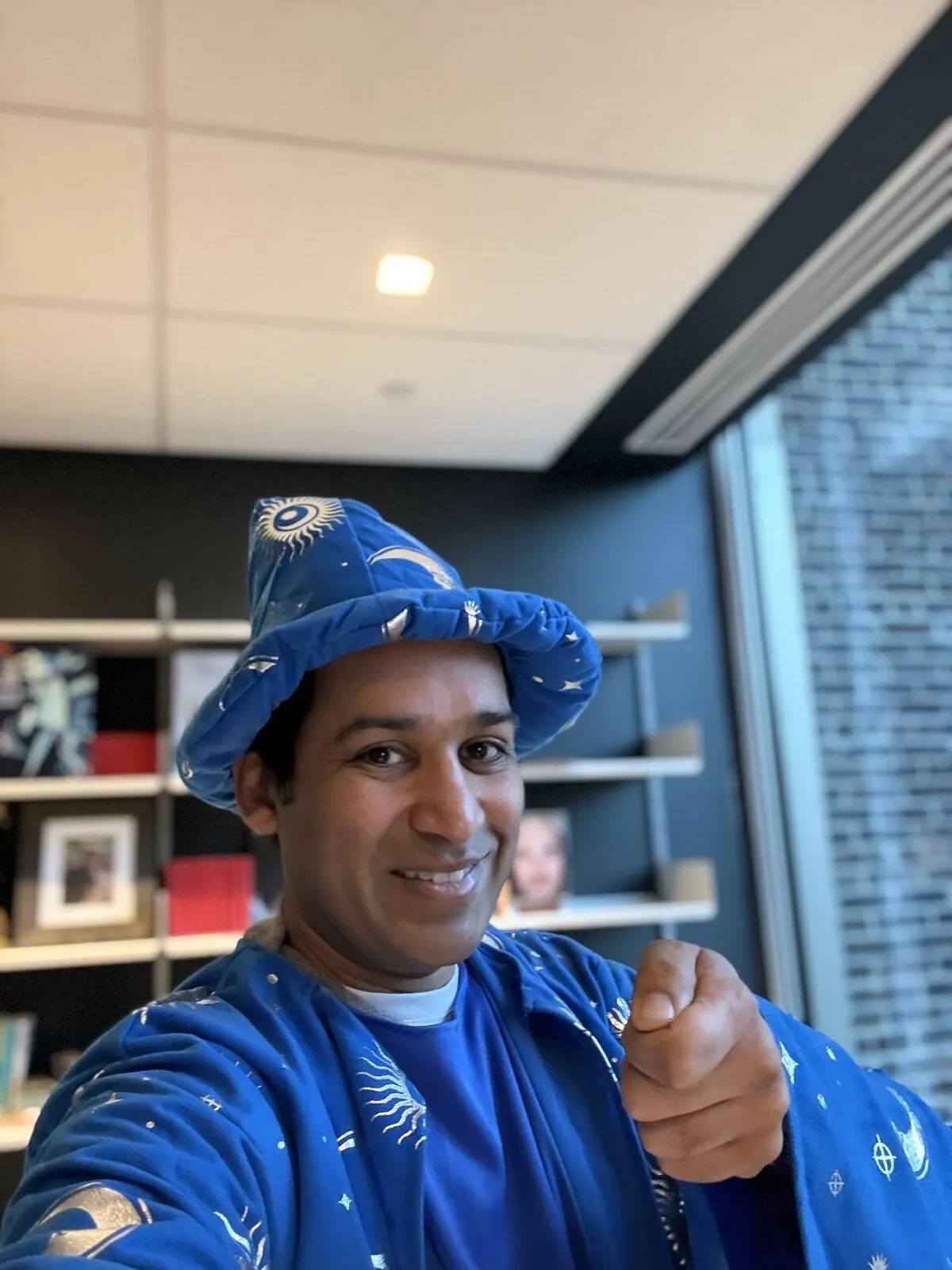
Index's Shardul Shah celebrates Google's spellbinding acquisition of Wiz.
The Prestige ✨
It’s not enough to make something (e.g., cloud vulnerabilities, user pain) simply disappear. The real magic happens when the full shape of the trick comes into view – when the audience realizes what they’ve been watching all along. For Wiz, that moment is now.
When our conversations with Google began years ago, the idea was compelling but premature. Wiz was early in its journey; the market was still taking shape, and the scale of the opportunity wasn’t yet fully visible. Since then, the world has changed. Multi-cloud has shifted from the exception to the default. AI has vaulted from experimentation to production. And the risk surface for large organizations has expanded faster than the tools meant to protect it.
In that context, today’s announcement feels less like a conclusion and more like a grand reveal. What used to be an ambitious independent roadmap now has the platform, reach, and data to accelerate far beyond what a single company could achieve on its own.
To Assaf, Roy, Ami, Yinon, and every Wizard who helped shape these last five years – Raaz Herzberg, Nir Dagan, Anthony Belfiore, Adi Leist Sharon, Sarah Serrin, Dali Rajic, Fazal Merchant, and all the incredible engineers, designers, salespeople, success teams, PMs, and operators – I know I speak for everyone at Index when I say it’s been an honor to be with you on this journey. The show is far from over. In many ways, this is where the real magic begins. And I’ll be here for the encore.
Published — March 11, 2026