Great Hardware Deserves Great Software: Investing in Revel
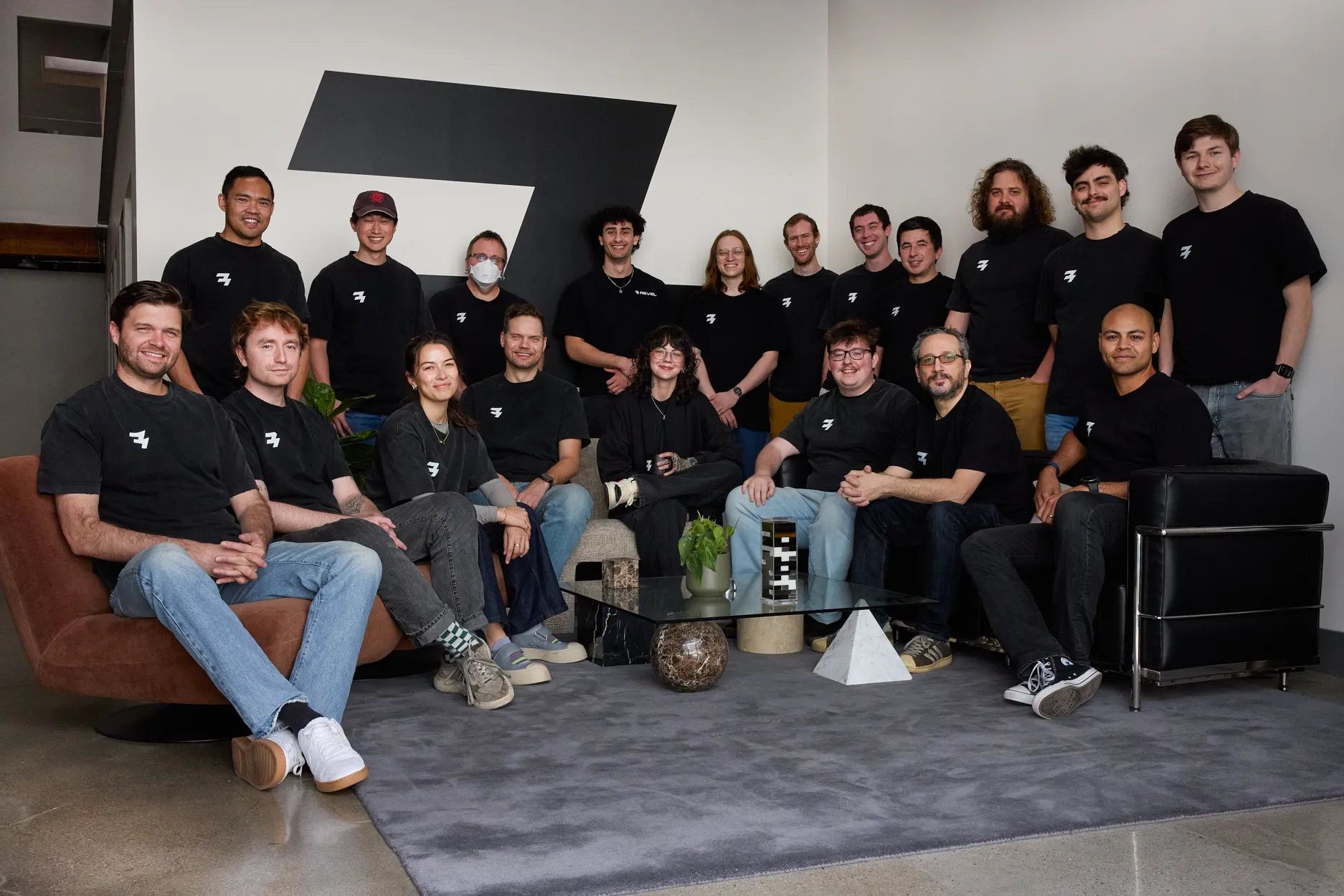
Scott Morton is no stranger to high-pressure environments. Over 10 years at SpaceX, he built and operated mission-critical test and control systems under extreme reliability, safety, and time constraints. It was there he learned firsthand that great hardware, whether it’s a rocket or a robot, depends on software to safely test, control, and operate it in the real world.
That insight arrives at a moment when hardware is undergoing a profound shift. From aerospace to defense to robotics, the hardware market is growing, with systems becoming increasingly autonomous, software-driven, and complex.
And yet, the software used for testing and control remains largely frozen in time. Today, most hardware teams still rely on legacy systems designed in the 1980s, maintained through manual effort by a small pool of specialists or external consultants. Engineers spend weeks wiring together brittle test stands, debugging issues by hand, and maintaining bespoke infrastructure. The result is an increasingly costly bottleneck that slows development, introduces risk, and limits what teams are willing to build.
Few people understand this problem better than Scott. He founded Revel to give modern hardware teams what he always wanted but never got from legacy solutions: a way to develop, deploy, and command complex hardware systems using collaborative, debuggable workflows, starting with testing and control.
I first met Scott over a Zoom call in late December. It was immediately clear that Revel is Scott’s life’s work. His depth of knowledge paired with his clear passion for solving this problem was palpable. As he talked about the challenge but opportunity of ripping and replacing a legacy incumbent, I felt an instant mind-meld – I love investing in founders going after massive, forgotten industries.
I knew I had to meet Scott in person, so over the holidays I went down to LA with some of my partners to spend the afternoon with him. My conviction only grew. It became immediately clear that Scott had all the raw ingredients to be a category-defining founder: a natural ability to lead, a deep sense of integrity, a high bar for talent, and the ability to remain calm and focused under extreme pressure.
As an entrepreneur, Scott draws inspiration from visionaries like Figma’s Dylan Field (an early investor in Revel). He prioritizes hiring engineers who have “taste” in their building approach and seeks those who deeply understand the customer they’re building for. Today, Revel provides a browser-based, collaborative environment where engineers can design, execute, monitor, and iterate on hardware test and control from prototype through production — without building bespoke internal frameworks or relying on consultant-driven integrations.
In Scott’s vision for Revel, solving testing and control is just the beginning. By becoming an essential part of both R&D and manufacturing testing, Revel earns a natural right to be a unified software-for-hardware platform governing how hardware systems are developed, operated, monitored, and improved.
We couldn’t be more excited to partner with Scott and to welcome him and the Revel team to Index. We believe Revel will be a category-defining business that gives teams across aerospace, defense, and robotics the software platform they need to develop the next generation of mission-critical hardware.



Published — Feb. 26, 2026