Getting Personal: Julie Bornstein’s Mission to Reinvent Shopping—Again
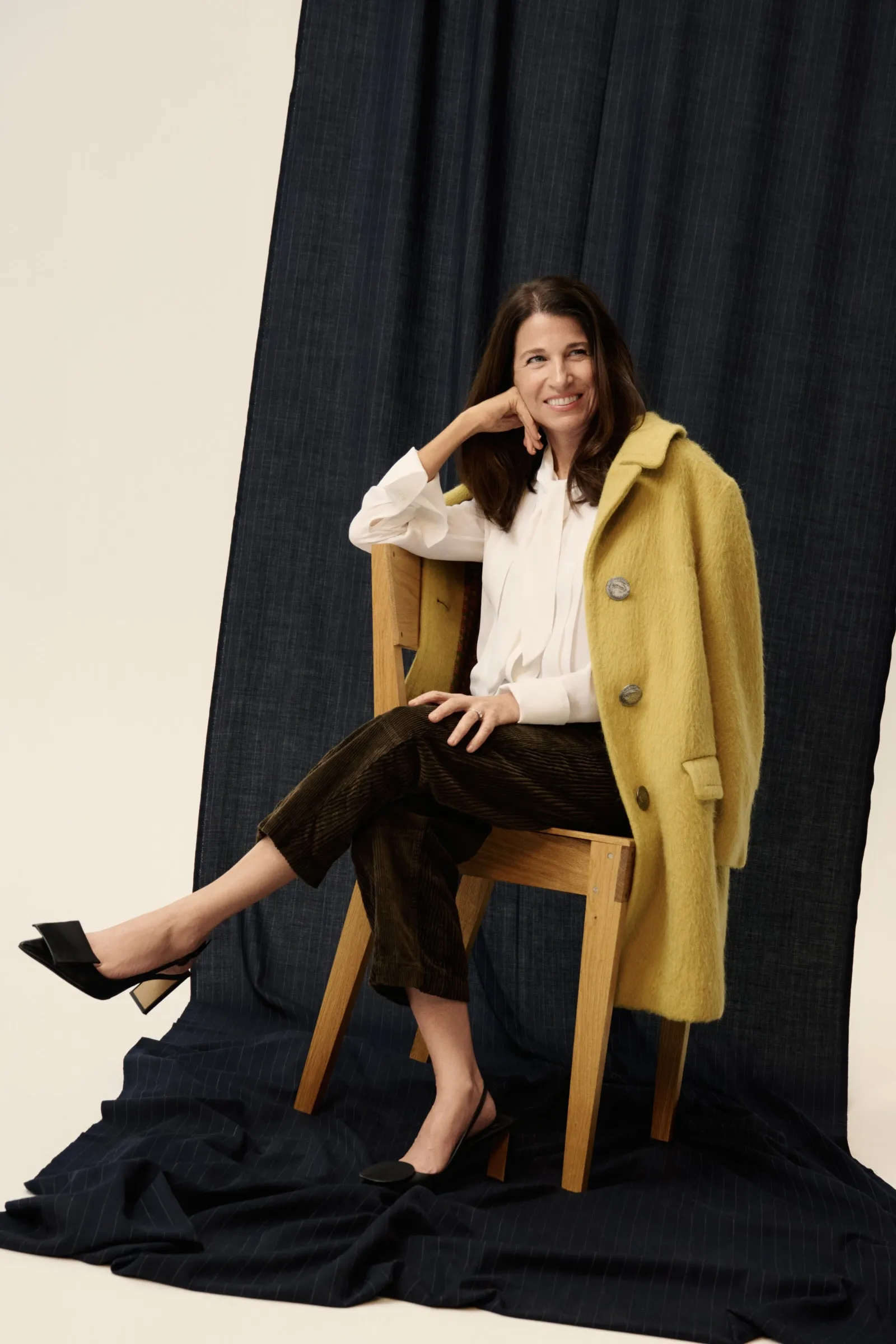
On her first day at Nordstrom, Julie Bornstein sat in her new boss’s office. Across from her was Dan Nordstrom, the company’s co-president and CEO of its newly spun-out ecommerce division. “Julie,” he said, “it’s all about personalization.”
Bornstein nodded eagerly. In many ways, she had spent her life preparing for this moment—poring over Seventeen magazine as a kid, dreaming up better ways to shop. Growing up in “cold and boring” Syracuse, she spent every weekend at the local mall, frustrated even then by what she saw as the inefficiencies of traditional retail. “Maybe they have it in store, maybe they don’t; maybe it’s in your size, maybe not,” she remembers thinking.
Seeing Amazon for the first time, she believed a better system might be possible. She imagined an online shopping experience that spanned brands and retailers—one that could understand a customer’s preferences, interpret what they wanted, and make personalized recommendations. “What I really wish I could do,” she thought, “is take all the inventory across the web and make it easily searchable.”
"Julie invented ecommerce at Nordstrom. She joined when we had basically nothing, when no one knew what ecommerce was yet. You can’t overstate how transformative her impact was. She was 10 years ahead of her time.”
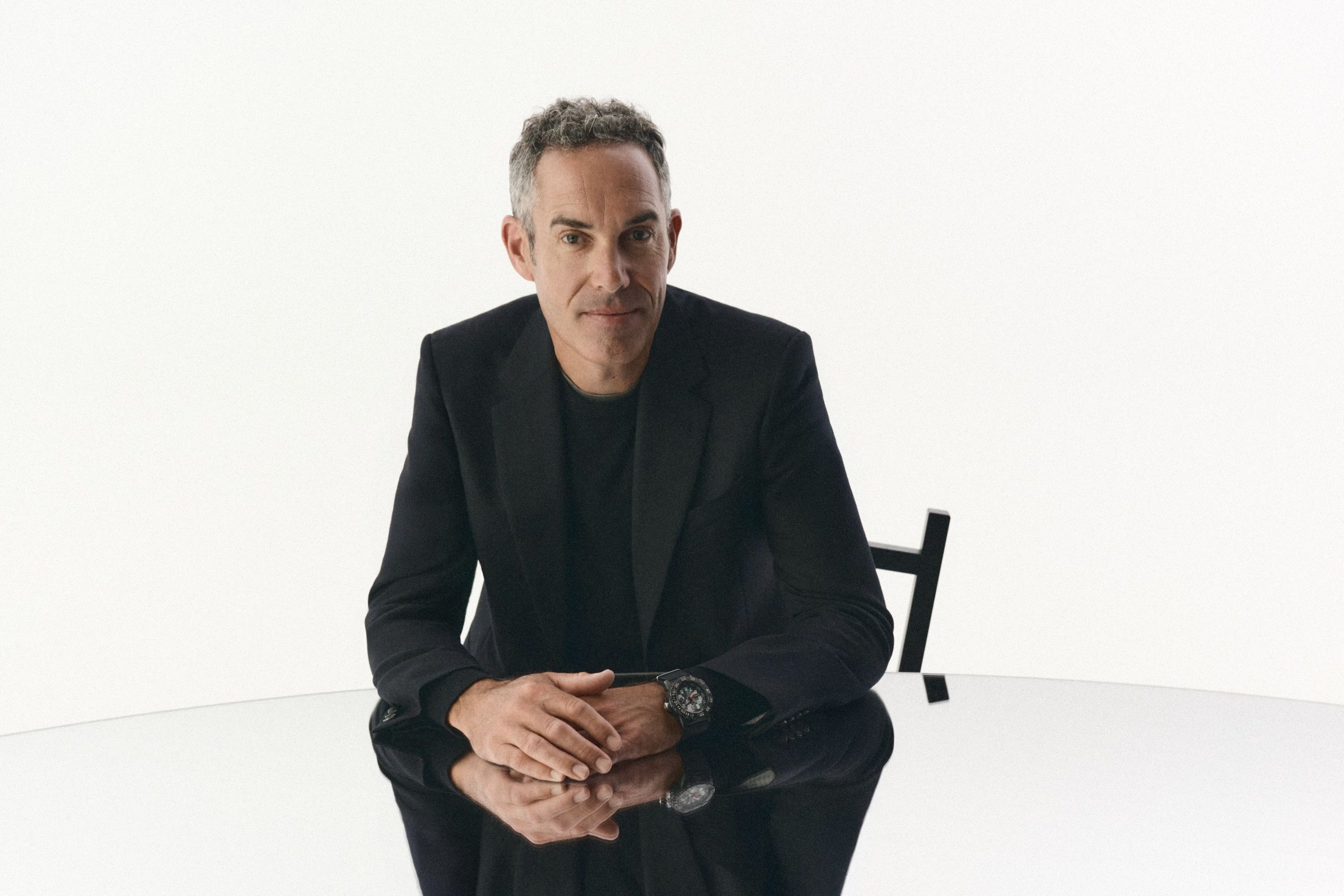
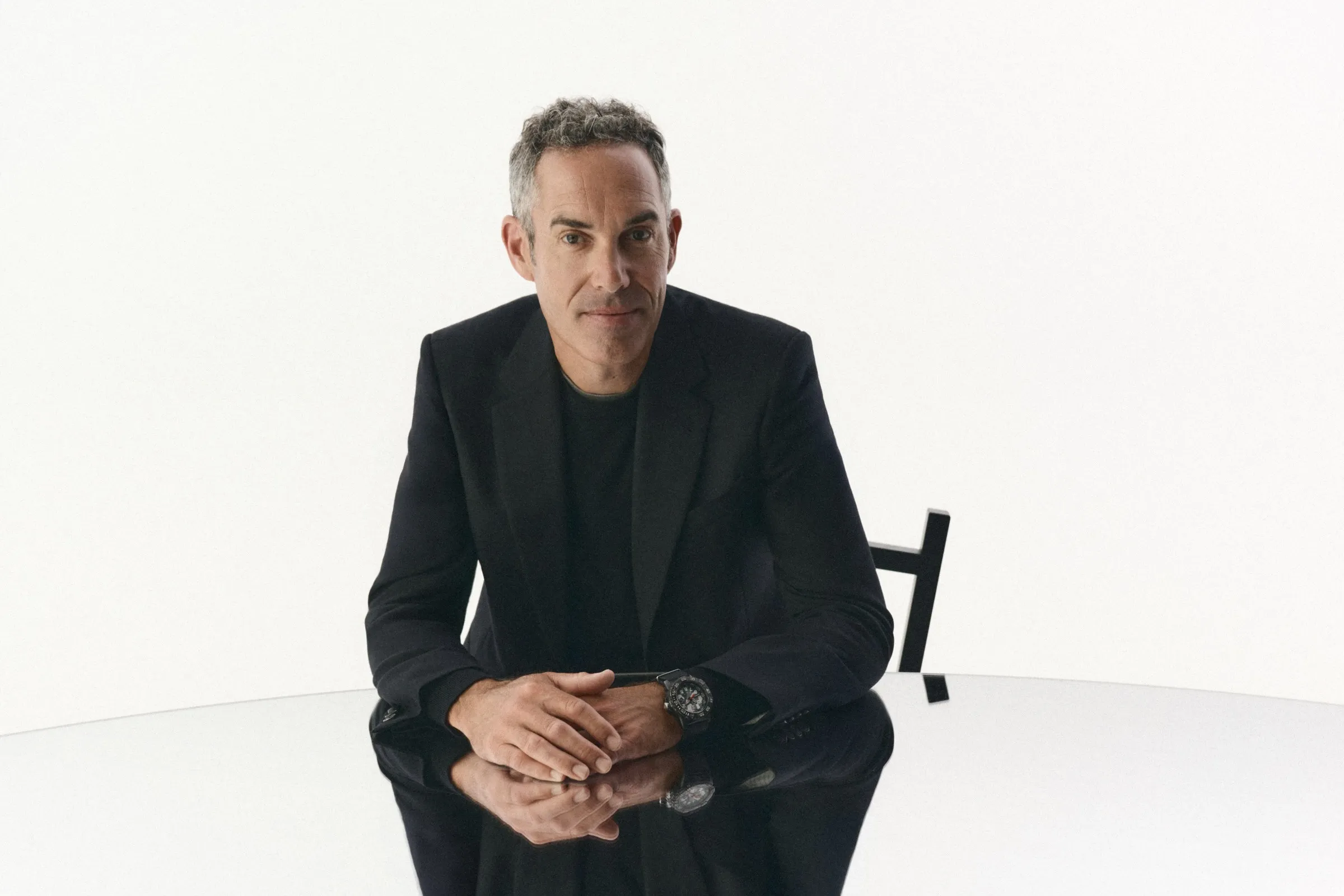
—Dan Nordstrom, Nordstrom
The only problem? The year was 1999. Ecommerce, as Dan Nordstrom puts it, was “Model A’s and buggy whips.” Amazon had proven you could sell books through a simple search box, but fashion was a different story—personal, subjective, and highly visual. Pages took minutes to load; most inventory wasn’t online, let alone searchable; and if you didn’t use the exact right keywords, you were out of luck.
“We had a vision of the future, but we were so far from making it a reality,” Bornstein says. “We didn’t have product to sell. We didn’t have a way to get it on the site. We didn’t have the technology or the infrastructure. We just didn’t have anything.”
What Nordstrom did have was Bornstein. Over the next five years, under her leadership, the company’s ecommerce sales soared from $10 million to $350 million. “Julie invented ecommerce at Nordstrom,” Dan Nordstrom says. “She joined when we had basically nothing, when no one knew what ecommerce was yet. You can’t overstate how transformative her impact was. She was 10 years ahead of her time.”
In 2005, Bornstein left Nordstrom to lead digital strategy at Urban Outfitters, then spent nearly a decade at Sephora, helping cement it as a global leader in beauty and ecommerce. After two and a half years on the board at Stitch Fix, she joined the company as COO in 2015, scaling the business through a period of rapid growth. In 2018, she launched her first startup, THE YES, which she sold to Pinterest in 2022.
“You take someone who’s tremendously smart, savvy, driven, with real technical acumen... Then you layer on a big heart—someone who genuinely cares about people and who will go out of her way to help. That’s Julie.”
—David Suliteanu, former Sephora CEO
Today, Bornstein is co-founder and CEO of Daydream, a new AI-powered shopping platform that uses natural language and real-time inventory from thousands of brands to create a smarter, more personal way to shop. In many ways, it's the culmination of a vision she’s been chasing for decades—the realization of everything she’s wanted to build, all the ways she’s wanted to improve retail but never had the tools to make happen—until now.
“My career has always been focused on making shopping easier, smarter, better,” Bornstein says. “I see Daydream as an extension of everything I’ve done up to this point, including a lot of the things I wished we could do at Nordstrom back in the day, when technology just wasn’t advanced enough. Now, the technology has finally caught up.”
For all Bornstein’s retail bona fides—Dan Nordstrom calls her the “senior stateswoman of all of ecommerce”—those who know her see something more. Her story is equal parts vision, persistence, and an unshakeable commitment to the things she cares about most, from mentorship and motherhood to women’s reproductive rights.
“You take someone who’s tremendously smart, savvy, driven, with real technical acumen,” says former Sephora CEO David Suliteanu. “Then you layer on a big heart—someone who genuinely cares about people and who will go out of her way to help. That’s Julie.”
Elbowing her way in
In 1996, Jen Koen was a second-year student at Harvard Business School. The program was only a quarter women; as a result, she says, “It was really hard to make friends.” One day, she was standing in line in the cafeteria when a short, brown-haired student walked up beside her, tapped her on the arm, and said, “My name’s Julie. Want to get lunch?”
“I had a pretty rich fantasy life. I felt the freedom to do what I wanted, not what was expected of me.”
—Julie Bornstein
They became fast friends, hitting the gym together, driving around Cambridge in Bornstein’s beat-up Honda Accord. “She had this incredible confidence,” Koen recalls. “She’d find a parking spot where others saw none, maneuver her way past slow traffic, and approach classes she wanted with the same spirit—she’d simply show up and make her case. When she set her mind to something, she always found a way to make it happen.”
That tenacity, as Koen describes it, had deep roots. Bornstein grew up the middle of three sisters in a highly academic family. While her sisters seemed predestined to become lawyers, Bornstein felt comfortable choosing a different path. “I had a pretty rich fantasy life,” she says. “I felt the freedom to do what I wanted, not what was expected of me.”


Along with fashion, Bornstein developed an early interest in technology. She loved The Jetsons, with their futuristic smartphones and video calls. On his days off, she would hang around her father, an infectious disease doctor, as he tinkered with computers. “I was always taken by the efficiency of what technology could do,” she says.
But it was her mother, a psychiatric social worker, who Bornstein calls her real role model: “My mom was involved in a million things—she was secretary of the Wellesley Club and sang with the symphony and served on the school board, in addition to working full-time. She showed me you can take on anything. You can be a mom and have kids and be a wife and do all sorts of things. I never felt like there were any limits to what I could do.”
While Bornstein had a certain vision for her life—“I always knew I wanted a big job,” she says—it took time for her to realize what that vision should be. On her first day of fifth grade, she spread her Gloria Vanderbilts on her bed and imagined running her own label one day. By 15 or 16, she knew she wasn’t going to be a designer, but she began to imagine other roles in fashion, maybe as a buyer or CEO.
She was also interested in politics and women’s reproductive rights. As a teenager, she volunteered with Planned Parenthood and joined its youth advisory board. At Harvard, she majored in government and spent summers working for a U.S. senator and at a non-profit. “I got to see and work in a lot of different settings,” she says. “And I realized I prefer the private sector, where things move quicker and everything is more in your control.”
After college, she landed a merchandising job at Donna Karan. It was her first exposure to how fashion products were designed and brought to market. But while she learned a lot, the experience wasn’t what she hoped. “Culturally, it wasn’t a good fit,” she says. Somewhat disillusioned, she enrolled at Harvard Business School. “I thought, at the very least, I’d come out with some hard skills while I figured out what I wanted to do.”


By her second year, she had started dating a classmate named Brian. The two decided to move to the Bay Area together after graduation. Bornstein accepted an offer from Robertson Stephens, an investment bank in San Francisco. But before they left Cambridge, Jeff Bezos came to speak to one of their classes. Afterward, their professor asked Brian to drive Bezos to the airport. By the time he got back, Brian had a job offer to join Amazon in Seattle.
Bornstein liked her work at Robertson Stephens, especially working with retailers and seeing the business side of shopping. But she didn’t love it the way Brian loved Amazon, and the long-distance relationship was hard. When she heard that Starbucks CEO Howard Schultz would be speaking at a young entrepreneurs’ event in Seattle, she sensed an opportunity. She bought Schultz’s book, booked a flight, and waited in line after the event for her chance to speak with him. When her turn came, she told him about a deal she’d worked on at Robertson Stephens involving the sale of a coffee chain. Then she took her shot.
“I’d like to work for you,” Bornstein said.
“And what would you like to do?” Schultz replied.
“Maybe something like assistant to the CEO?” she said.
Schultz laughed. “That would be very boring,” he said. “But send me your resume.”
A month later, Bornstein joined Starbucks in business development. The job checked many of the boxes she was after: Seattle-based, consumer-focused, and growing fast. But a year or two in, she couldn’t shake the feeling that something was missing. Every night, she would listen to Brian describe how Amazon was building the future of online retail and organizing around a new concept called product management. When she heard that Nordstrom was launching an ecommerce division, she knew she had to be a part of it.
She started making calls, building relationships, working her connections. But Nordstrom’s ecommerce business had been spun out of its catalog division, and it was already staffed with longtime insiders. “You had to have been there since you were, like, twelve,” she says.
Eventually, she found her wedge. “I knew a guy who knew a guy who was on the board,” she says. That board member turned out to be Bill Gurley. Bornstein got a call with the investor and made her pitch. “I guess he liked it,” she says, “because he called up Dan Nordstrom and was like, ‘Figure out a role for this girl.’”
She knew ecommerce was coming. She had a vision for it and how to apply it to fashion. She elbowed her way in and made clear she knew more about it than anyone else, she was thinking about it more than anyone else, it mattered to her more than anyone else.Dan Nordstrom,
former CEO, Nordstrom.com
Even then, it didn’t happen overnight. Bornstein spent six months “stalking Dan,” borrowing concepts she’d learned from Amazon’s playbook and pitching her own vision. “She was bursting with energy and enthusiasm,” Dan Nordstrom recalls. “She kept telling me, ‘You’re not doing it right, you need to hire me.’ We didn’t have a role or budget yet. We were making it up as we went. But she just kept coming back. She made it clear she wasn’t going away.”
In the end, it wasn’t a single moment that won him over. It was Bornstein’s persistence, and his growing realization that they needed someone with her vision and drive—someone who didn’t just know how to market to modern consumers, but who herself was that consumer.
“She knew ecommerce was coming,” Nordstrom says. “She had a vision for it and how to apply it to fashion. She elbowed her way in and made clear she knew more about it than anyone else, she was thinking about it more than anyone else, it mattered to her more than anyone else.”
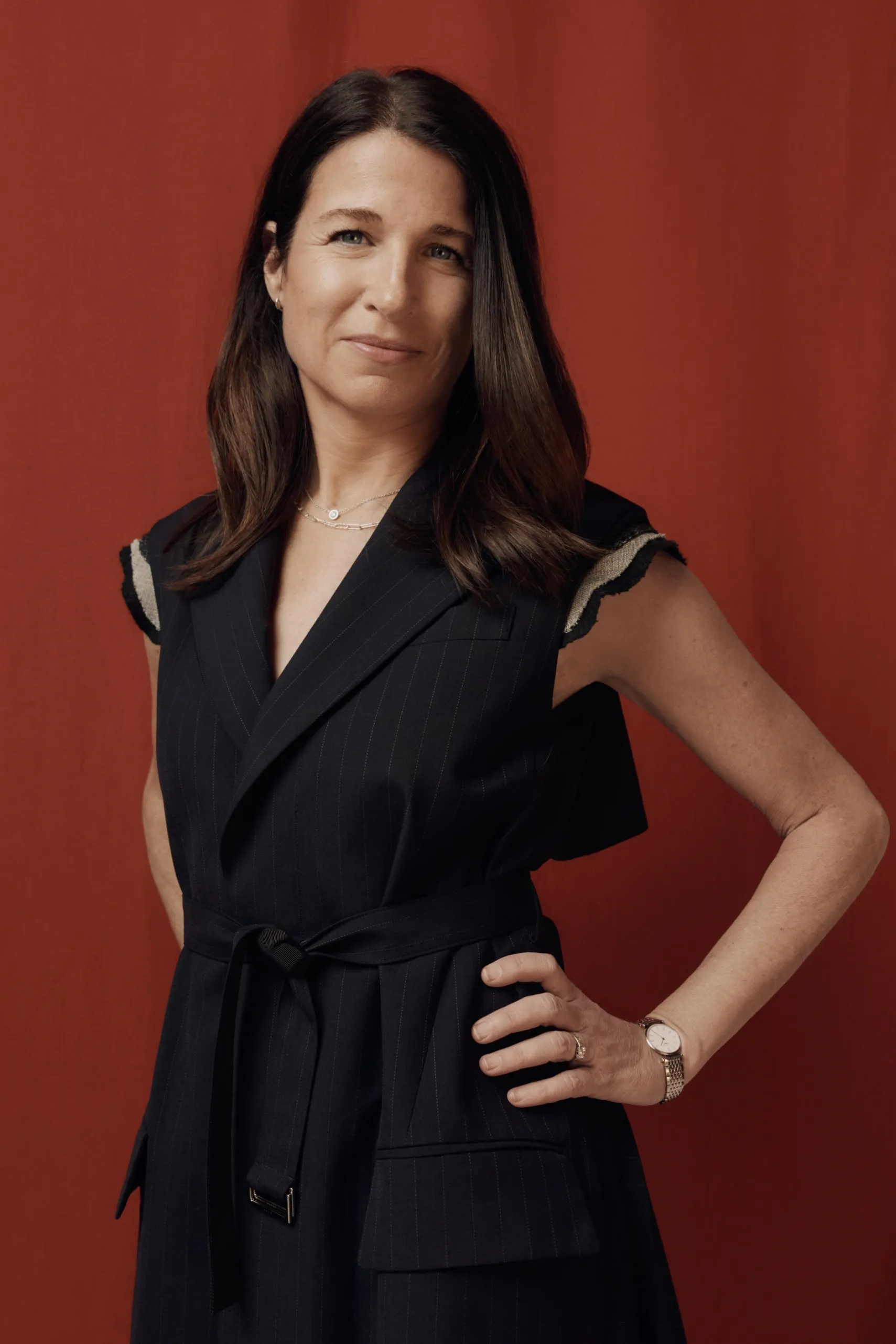
Starting up, then starting over
While Bornstein was reimagining ecommerce at Nordstrom, Sephora was undergoing its own digital transformation. After a rocky start in the U.S., the French retailer had found its footing and emerged as a disruptive force in the beauty market. But while the company’s stores were thriving and the brand was hot, there was a major piece still missing.
“The ecommerce side of the business was like an old car,” says former CEO David Suliteanu. “It could get you to work in the morning, but it wasn’t very fast, and it sure didn’t look good.”
Bornstein left Nordstrom in 2005 to lead digital strategy at Urban Outfitters. In 2007, she joined Sephora as Chief Digital Officer. As Suliteanu says, “We needed someone who could bring the same out-of-the-box thinking and risk-taking that made us successful, but who knew ecommerce and technology well enough to own that side of the business and run with it. Julie came in and sized up pretty quickly how to get this old jalopy to look better and run faster.”
"All the big digital channels we think of today, she saw it before anyone else. She was almost like the CEO of a separate company. The best thing I could do was get out of the way."
—David Suliteanu, former Sephora CEO
Her impact didn’t stop there. While others saw ecommerce as a “left-brain problem”—making the website operational—Suliteanu says that Bornstein saw “the real opportunity was all the right-brain stuff—finding creative ways of reaching and connecting with customers.” She helped launch and scale the Beauty Insider program, pushed early into mobile, and expanded the brand across emerging platforms like Facebook, YouTube, and Twitter.
“All the big digital channels we think of today, she saw it before anyone else," Suliteanu says. “She was almost like the CEO of a separate company. The best thing I could do was get out of the way.” Summarizing her impact, Suliteanu doesn’t mince words: “Whatever becomes of Sephora, there should be a statue of Julie, because she made it happen.”
By 2013, Bornstein had been with the company for six years, adding CMO to her title. When Suliteanu stepped down as CEO, many believed Bornstein should replace him. But in 2014, LVMH named a different successor. “I kind of realized I wasn’t going to get that job,” she says. “I started thinking about what I wanted to do instead.”
Since her Nordstrom days, she had thought about starting her own company. “I was pretty sure I wanted to build something new,” she says. “But I also wanted to see what it looked like to grow a company from the inside.”
That chance came in 2015, when she joined Stitch Fix as COO. She had served on its board since 2012. “When I left Sephora to go to Stitch Fix, people were like, ‘You’re crazy, what are you doing?’” Bornstein says. “But I saw so much opportunity for learning and growth.”
Over the next three years, Bornstein got an up-close look at what it took to scale a startup. By 2018, multiple retailers had come calling, offering CEO roles. But she wasn’t interested. “I’d been in enough big companies to know how slow they move,” she says. “I didn’t want the overhang—the old technology systems, the real estate problems, the workforce problems. The job wouldn’t be about creating something new. It would be about managing decay.”
“At the same time,” she adds, “I realized that what I love and what I’m best at is building new experiences. I want everyone to be able to find what they’re looking for and feel like, ‘Wow, that was easy. I found something I love.’ I couldn’t build that off the back of an existing business. I had to start from scratch.”
In 2018, Bornstein founded THE YES, a shopping app that used machine learning to make personalized recommendations from a wide network of brand partners. It built on two decades of lessons in retail—optimizing product discovery at Nordstrom, structuring product data at Sephora, and exploring algorithmic personalization at Stitch Fix.
“I had no details about what it paid or how it would work. It didn’t matter. I was just so inspired by Julie and her vision.”
—Lisa Yamner, Daydream co-founder
While Stitch Fix worked well for customers who wanted a quick, easy shopping experience, it wasn’t built to capture someone’s personal tastes at a granular level, and inventory constraints made it hard to get a full box just right. “With THE YES, I wanted to build personalized shopping for people who really know and care about fashion,” Bornstein says.
One of her first hires was Lisa Yamner, then VP of fashion and luxury at Condé Nast. After their first meeting, Yamner was sold. “I had no details about what it paid or how it would work,” she says. “It didn’t matter. I was just so inspired by Julie and her vision.”
Bornstein also recruited her business-school pal Jen Koen to lead marketing. Koen was hesitant to mix friendship and business, but eventually agreed to a six-month contract. “Those six months turned into four years,” she says. “It was amazing to finally work with her.”
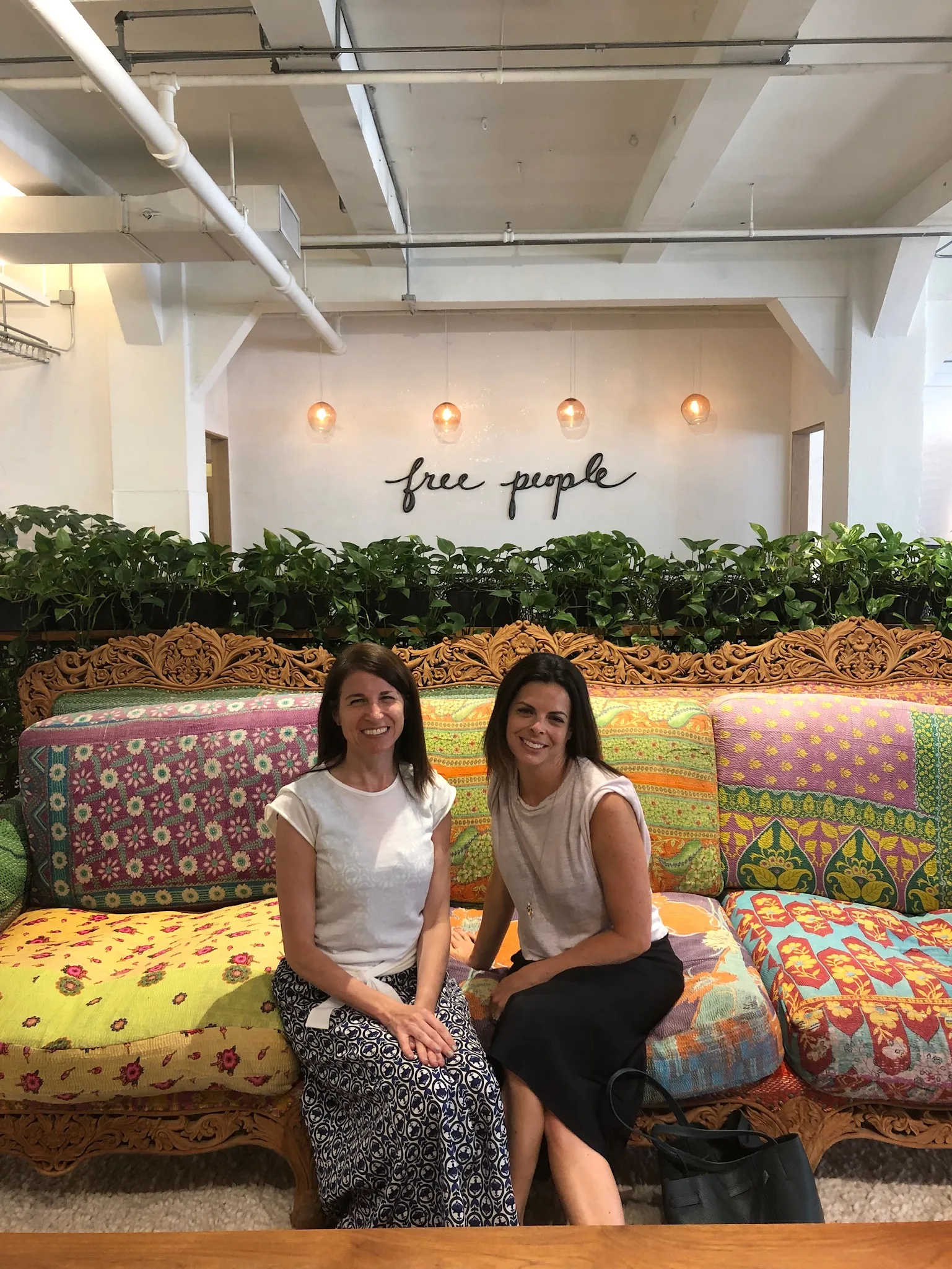
Bornstein with THE YES Chief Commercial Officer (and later Daydream co-founder) Lisa Yamner.
After two years of building, THE YES was ready to launch on March 17th, 2020. Bornstein was set to fly to New York to meet with reporters, and a breakfast was planned for some of the 140 brand partners who had signed up. “Everything was locked and loaded,” Yamner says.
One by one, however, reporters started cancelling. “This coronavirus thing might put a damper on our plans,” Yamner recalls thinking. Bornstein, ever the optimist, insisted she was still coming. “She was the last one to admit anything might rain on her parade,” Yamner says. “Not because she was unaware, but because she just always believes things will work out.”
Eventually, the launch was postponed. “Obviously we were disappointed,” Yamner says. “But we never felt doomed. Julie led the team right through it. We used the extra time to build a better product. We launched two months later and didn’t miss a beat.”
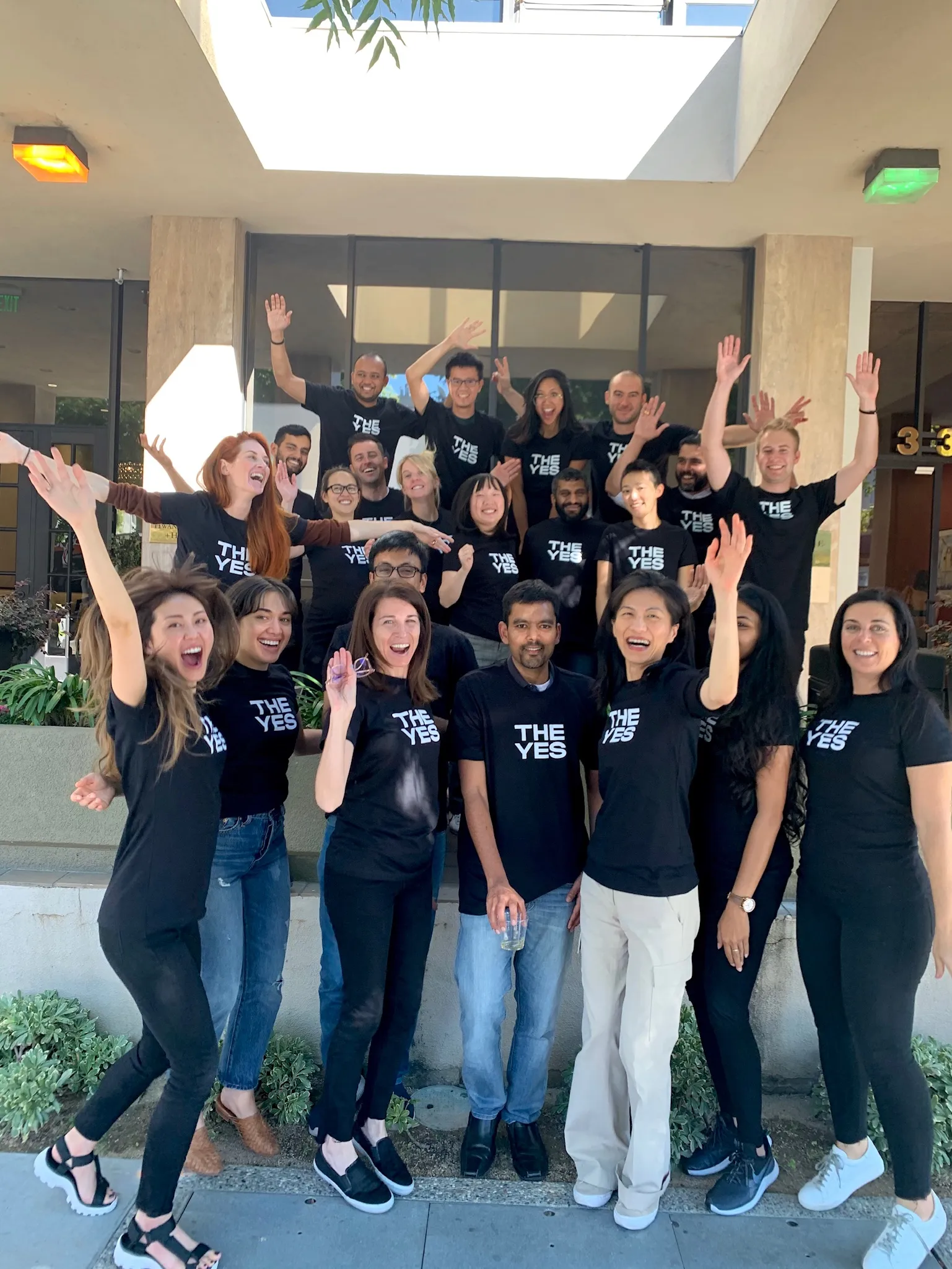
Bornstein with her team at THE YES celebrating their launch in 2020.
The business grew steadily over the next year and a half, until one day Bornstein got a call from Pinterest founder Ben Silbermann. He shared his vision for Pinterest Shopping, with THE YES as the foundation. Bornstein wasn’t looking to sell, but, as she puts it, “With these things, there’s always a number that makes you stop and consider your options.” Plus, Silbermann wanted Bornstein to lead the new shopping platform. The scale was compelling: THE YES had 40,000 customers, and Pinterest had over 400 million daily active users. “We all thought, ‘Wow, this could be so much bigger,’” Bornstein says. “We decided to do the deal.”
In June 2022, Pinterest announced the acquisition. Bornstein and Silbermann held a company-wide town hall, and teams were reorganized under her leadership. But just weeks later, Silbermann stepped down, and company priorities shifted.
She ended up spending six months in-house and another six as an advisor, helping the company realign priorities and finding new roles for the team. As she was winding down her time at Pinterest, she began thinking about what might come next.
Unfinished business
Since her Nordstrom days, Bornstein had been struck by how static and inefficient ecommerce was. Every customer saw the same products. Every item had to be warehoused. Every product page required laborious photography, categorization, and copywriting, and unless you used the retailer’s exact terms, search often failed. “There were so many times as a consumer where I was looking for something and I knew it existed—I just didn’t have access to it because language wasn’t understood,” she says.
“The idea that you could marry natural-language search with web-scale discovery and personalization—it was the ultimate version of the things I’d been wanting to do for 20-plus years.”
—Julie Bornstein
At THE YES, she got closer. By combining machine learning with direct brand partnerships, Bornstein and her team built a dynamic shopping engine that could recommend products based on a user’s style and past behavior. They even experimented with natural-language search. But the technology was still early, and consumer behavior hadn’t caught up. “People didn’t trust that it would work,” she says. “We’d trained them to shop with filters and checkboxes, and it was hard to break that pattern.”
Then in late 2022, just as she was finishing at Pinterest, ChatGPT launched. “Suddenly, we had a model that could understand what people were saying, and we were training a whole new generation of users to type the way they talked,” she says. “The idea that you could marry natural-language search with web-scale discovery and personalization—it was the ultimate version of the things I’d been wanting to do for 20-plus years.”
Bornstein and Yamner had kept in touch since leaving Pinterest, meeting weekly to spitball ideas. Yamner shared Bornstein’s optimism about what generative AI might mean for fashion. “It was not so much an unlock as a ‘well, obviously,’” she says. “People need a better place to shop, where they don’t have to sift through stuff they don’t want, and they can talk to it like a stylist or their best friend who’s just good at fashion.”
“Julie is a uniquely qualified founder with a compelling vision and a chip on her shoulder. Her team is solving a real problem in online shopping, with a huge opportunity to transform how people find and purchase products.” —Vlad Loktev, Venture Partner at Index Ventures
Despite the excitement, Bornstein had reservations. Even after pitching the idea to Richard Kim, former Chief Growth Officer at THE YES, and Dan Cary, a longtime product lead at Google, she wasn’t sure about starting a second company in her fifties. It was her husband Brian who put those fears to rest. “Julie,” he said, “if you don’t do this and someone else does, it’s going to bother you for the rest of your life.”
She knew he was right. The technology had finally caught up to her vision, and she had unfinished business. “We were just getting going at THE YES, and it got shut down. This was my life’s work, and it wasn’t finished.” She also knew experience was on her side. “Just like anything—running a marathon, having a child—it’s always easier the second time.”
In May 2023, Bornstein, Yamner, Kim, and Cary met in person for the first time in the Seattle offices of Redfin, where Bornstein has served on the board since 2016. They spent two days whiteboarding ideas, mapping out what they wanted to build. A month later, they met again and agreed to found the company together. After a year in stealth, they announced Daydream with $50 million in seed funding from Index Ventures and others.
“Julie is a uniquely qualified founder with a compelling vision and a chip on her shoulder,” says Index partner Vlad Loktev. “Her team is solving a real problem in online shopping, with a huge opportunity to transform how people find and purchase products.”
"Search alone isn’t enough. It’s not efficient enough. It’s not personal enough. The idea that you can layer in all this new technology and partner with the best brands to build a living, breathing catalog—that’s the ultimate daydream.”
—Lisa Yamner, Daydream co-founder
Launched in public beta in June 2025, Daydream reimagines how people discover and shop for fashion. Instead of search bars and filters, it offers an AI agent that remembers users’ style preferences. Shoppers can describe what they want in natural language (“black heels for a beach wedding” or “something casual but cool for date night”) and get tailored recommendations from more than 10,000 partner brands. In November 2025, the company released an iPhone app that connects with the Daydream agent and uses Apple’s visual intelligence framework to let users search and shop directly from a screenshot.
The early response from consumers and partners has been enthusiastic. “There’s nothing better than when you show the product to someone and they get excited,” Bornstein says. “We’re all such harsh critics of our own product. So when it works and it delights someone, it’s extremely gratifying and lets you know this is going to be a game-changer.”
Getting there hasn’t been easy. Building a repeatable process that understands users’ queries and returns the right results has taken a lot of fine-tuning and trial and error. The “secret sauce,” Bornstein says, is the collaboration and mutual respect between Daydream’s business and engineering teams. As a non-technical founder, she can articulate what the customer experience should feel like. In turn, engineers can explain what’s technically feasible.


For Yamner, what’s most exciting isn’t just what Daydream is doing for fashion. It’s what it suggests for ecommerce more broadly. “I genuinely believe we’re going to change people’s expectations,” she says. “Once they experience this, they’ll want it everywhere. It’s like what Amazon Prime did for delivery—two-day shipping became the norm. I think Daydream is going to reset the bar for what great digital shopping feels like.”
That promise, Yamner believes, taps into something deeply human. She started her career at Google, where the team used to pitch search with an image of a child holding a magnifying glass in a field of daisies. The idea was that search is innate—it’s how humans make sense of the world. “For a while, Google felt like the pinnacle of that,” she says. “But now we need something more. Search alone isn’t enough. It’s not efficient enough. It’s not personal enough. The idea that you can layer in all this new technology and partner with the best brands to build a living, breathing catalog—that’s the ultimate daydream.”
What matters most
Over the last two and a half decades, Bornstein has been dubbed the “queen of ecommerce” many times over. But when asked what she hopes her legacy in retail will be, she hesitates. She offers a few words about improving shopping for brands and customers, then pivots to the people she’s worked with and the teams she’s built.
That humility tracks with what Yamner has seen over the past seven years. “She is so genuinely and authentically humble,” Yamner says. “Everyone gets to talk to Julie. There’s no one who’s beneath her. She’s one of those people who feels like she has advice to share. There’s nothing precious about her or who she’s going to talk to or how she’s going to share it.”
“I want to help other women realize that they, too, can have kids and have a great career and be involved in things they care about outside of work.”
—Julie Bornstein
Jen Koen, who has known Bornstein for more than 30 years, says her friend’s loyalty runs deep. “She’s a really busy person—she’s on three boards, she runs a company,” Koen says. “But she still takes all these meetings to help people. There are times when I’m like, ‘Julie, why are you on this call? Why are you doing this?’ But it’s just who she is. It’s how she lives her life.”
Bornstein isn’t sure where that trait comes from, but suspects it’s tied to her own journey. “I’ve had bad bosses and wonderful bosses,” she says. “I’ve always felt that people who join my team are placing a bet on me. It’s my job to make sure their experience is great.”
That sense of responsibility extends to other working moms. Bornstein often hears from women who tell her they don’t know how she does it all. To her, it's not about doing everything at once; it’s about being fully present in each role. “If you’re a dedicated person, you’re going to be dedicated to your work when you’re working, and dedicated to your kids when you’re mothering,” she says. “I want to help other women realize that they, too, can have kids and have a great career and be involved in things they care about outside of work.”
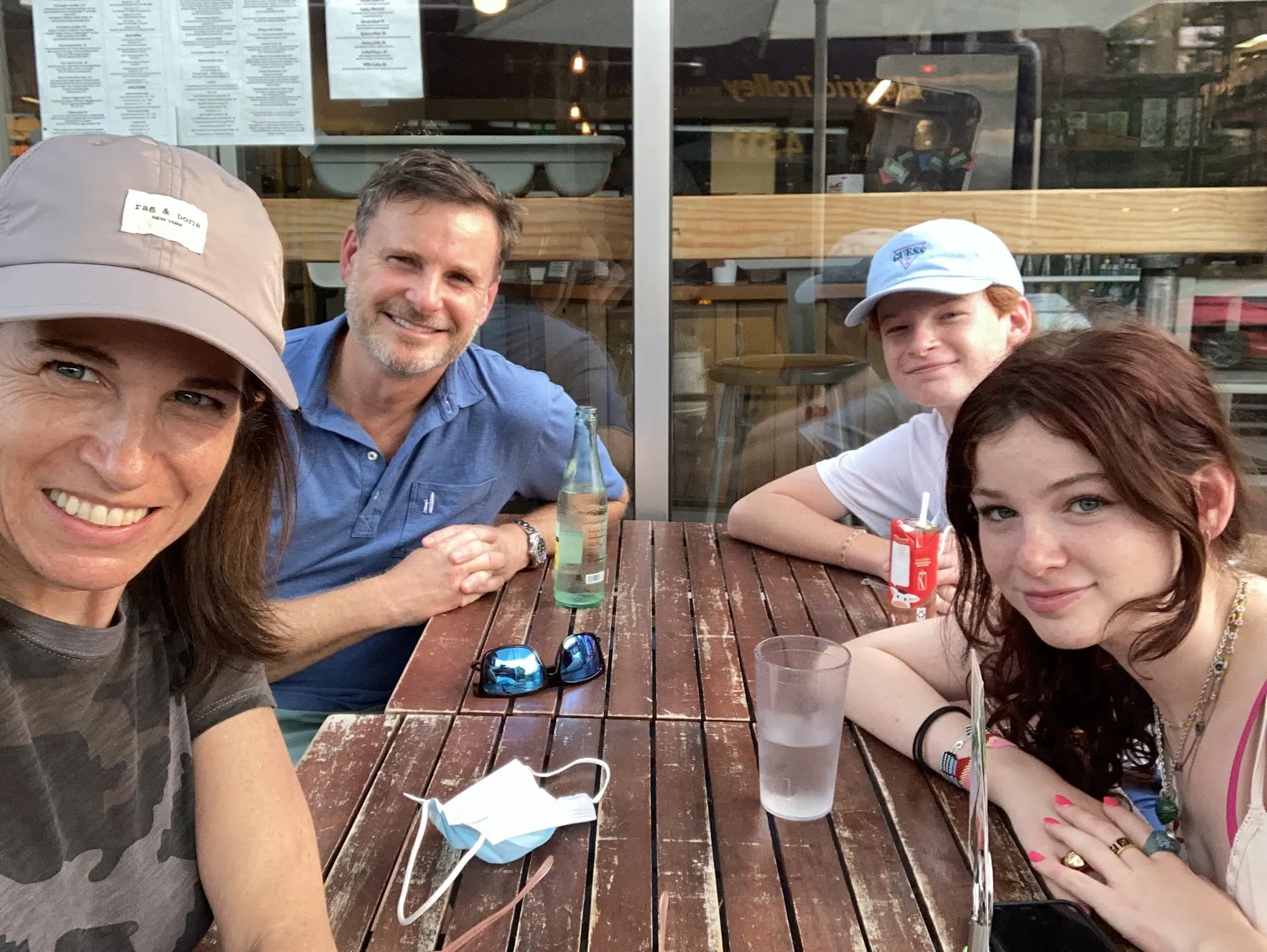
Bornstein with her husband Brian and their children Lucy and Sam.
For a girl who grew up dreaming of fashion, but who also majored in government and cared deeply about politics and women’s reproductive rights, Bornstein sometimes wondered if fashion was a frivolous career. But after trying other paths, she knew the work didn’t energize her. “It’s important to find work you love and that you’re good at,” she says. “Fashion is something where I feel uniquely positioned to make things happen. It’s a space where I find flow, have good ideas, and can still help people.”
I feel like I won’t be satisfied until I’ve created something that’s live and thriving and helping everyone find what they’re looking for—making it more fun for consumers, helping brands and retailers get more business, creating a positive and effective ecosystem for shopping.Julie Bornstein,
CEO & founder, Daydream
“It doesn’t mean other things aren’t important,” she adds. “The key is figuring out where you thrive. When young people ask how I knew what I wanted to do, I tell them I tried a lot of things I didn’t like, and eventually found the thing I loved.”
If anything, Koen says, Bornstein’s dedication to the causes close to her has only deepened as her career has progressed. “She’s using her experience and her seat of power to really add value to the things that she's always cared about,” Koen says.
Asked what she admires most about Bornstein, Yamner doesn’t hesitate. “Her empathy,” she says. “Everything Julie does—the way she thinks, the way she leads, the way she builds—it’s all about helping people and putting herself in their shoes.”
That empathy is what drives Bornstein as a mother, a manager, and now a second-time founder trying to solve a problem she’s been obsessed with for years. “I love shopping and brands and the retail world,” she says. “I feel like I won’t be satisfied until I’ve created something that’s live and thriving and helping everyone find what they’re looking for—making it more fun for consumers, helping brands and retailers get more business, creating a positive and effective ecosystem for shopping.”
She pauses, then smiles. “Maybe that’s a better answer for the legacy question.”
Published — Dec. 3, 2025
-
-